Prestige Group Sustainability and Green Building Practices
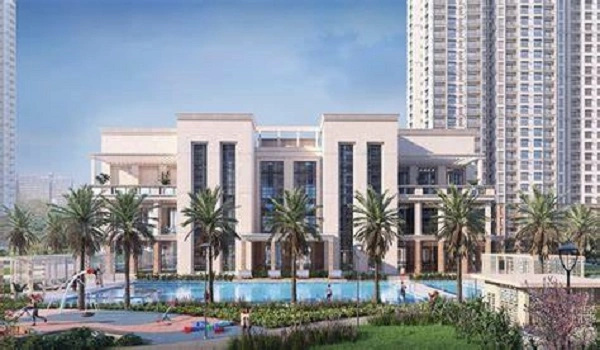
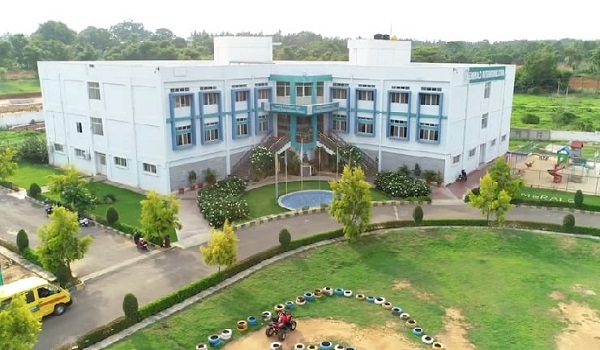
Featured Image of Prestige Group Sustainability and Green Building Practices


Prestige Group ranks as a pioneer in Indian eco-engineering by integrating centralized solar grids, deep rainwater harvesting networks, as well as zero-waste water management assets across its master-planned properties. In 2026, investing in an eco-friendly township lowers your daily utility costs. These facilities help to reduce individual carbon footprints greatly. This structural review checks the exact green steps that define the brand's eco-strategy.

Prestige Group plans for green living right from the start of every project. They hold top green certifications for over 17 million square feet of housing and 6.5 million square feet of business spaces.

Here is how they build sustainably:

  • Smart Energy & Solar Power: They use smart tech and reflective roofs to keep buildings cool. They also use on-site solar panels and clean energy to shrink their carbon footprint.
  • Saving Every Drop of Water: Their properties are built to trap all rainwater and recycle dirty water. They use advanced water treatment plants and low-flow taps so their buildings can rely less on local water supplies.
  • Eco-Friendly Materials: They choose materials that are proven to be green. This includes healthier, low-chemical paints that keep indoor air clean and cement mixes made with recycled waste.
  • Cutting Down Waste: They use machines that turn food and organic waste into rich compost. They also ban single-use plastics across their spaces, replacing them with reusable options.
  • Bringing Nature Indoors: Instead of cutting off nature, they build around it. They plant herb gardens and large green spaces, using quick building methods that do not disturb the local land.
  • Top Global Rankings: Their hard work has earned them top 5-star global scores for green business practices. Some of their properties, like the South Forum Mall, now run on almost zero net energy.
Centralized Water Recycling and Zero-Liquid Discharge Grids


Prestige Group installs fully automated on-site Sewage Treatment Plants (STPs) to recycle 100% of community wastewater for non-potable uses. This modern system runs continuously to feed separate pipes for toilet flushing and garden watering. The design stops graywater from entering public town drains. This layout drops the net freshwater need of the towers by 40% every year.

Advanced Rainwater Harvesting and Groundwater Recharge


The developer builds deep recharge pits and large underground storage sumps to capture millions of liters of seasonal monsoon runoff. This network routes raw rainwater through multi-stage sand as well as carbon filters. The clean water then goes straight to daily home use. These recharge setups lift the local water table to protect the site from seasonal dry spells.

Renewable Energy Infrastructure & Carbon Reduction Metrics


Prestige properties incorporate extensive rooftop solar photovoltaic panel arrays to power shared building services. These solar layouts run common area lamps, boundary security grids, as well as water pumps. They also power electric vehicle (EV) charging ports. This setup helps to lower the monthly maintenance bills by cutting the reliance on state power grids.

Eco-Friendly Engineering at Prestige Falcon City Luxe


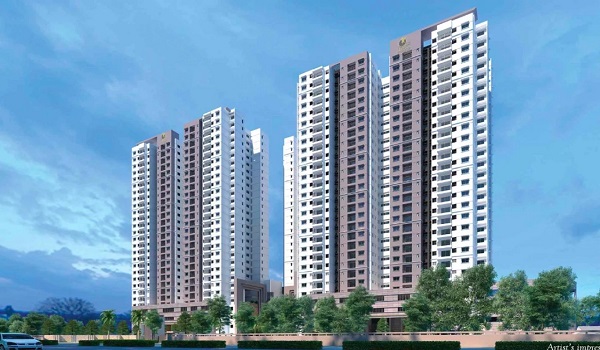
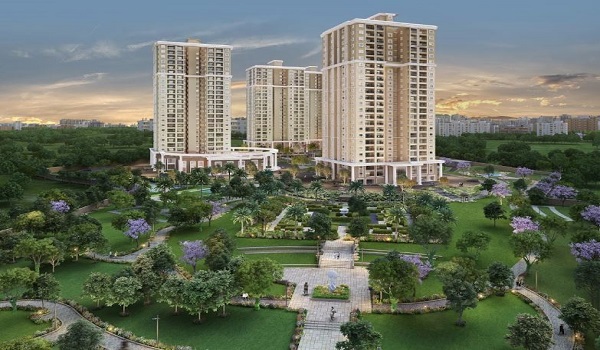
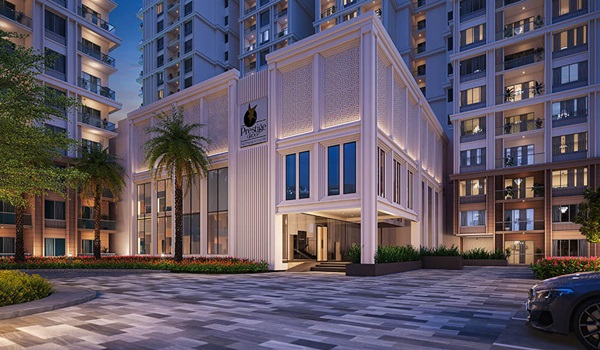
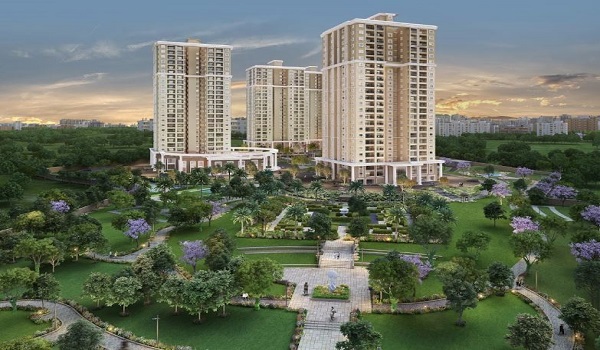
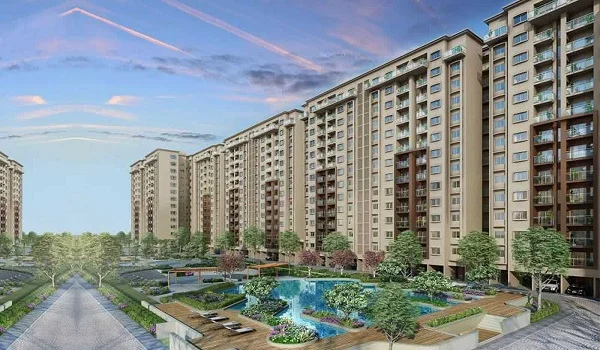
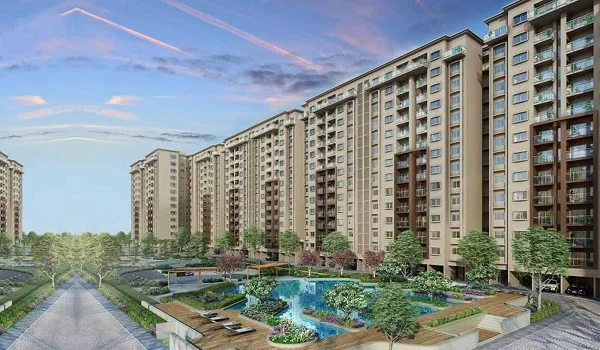
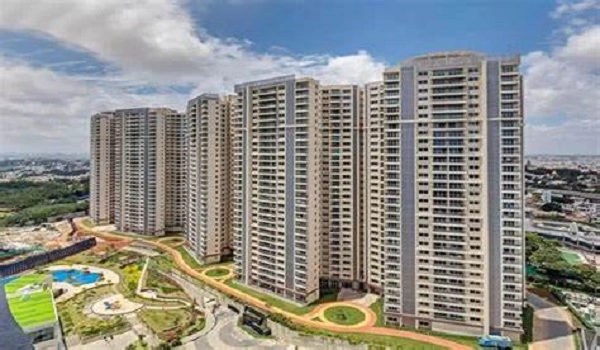
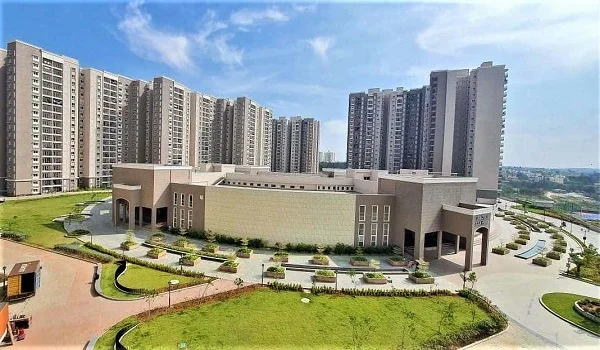
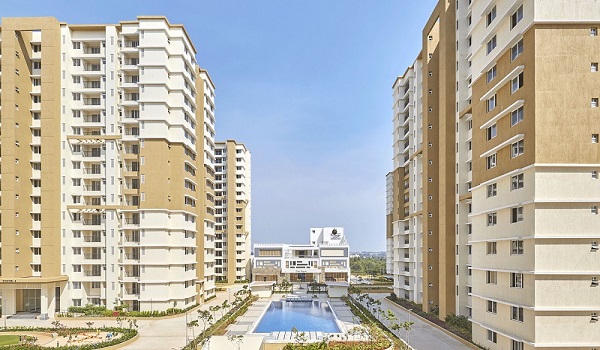
The architectural blueprint of Prestige Falcon City Luxe allocates 75% of its total 41-acre land parcel exclusively to open green spaces, native tree cover, and organic topsoil zones. This upcoming township on Kanakapura Road in South Bangalore has seven 30-floor towers. The design optimizes wind flows as well as sunlight.

The eco-features connect directly to individual flat types:

  • 2 BHK Layouts: These flats measure 1,240 to 1,379 square feet and start at ₹1.4 Crore. They use double-glazed windows to block heat and lower cooling bills.
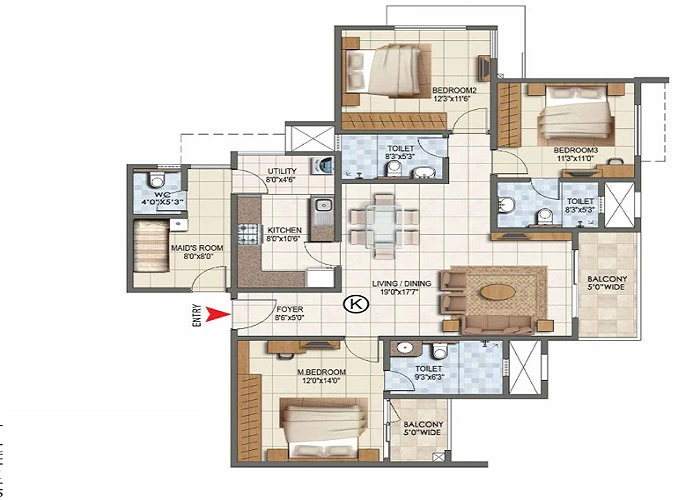
  • 3 BHK Layouts: These spaces measure 1,830 to 1,970 square feet and start at ₹2 Crore. They use low-VOC paints to protect indoor air safety.
  • 4 BHK Layouts: These large homes vary between 2,450 to 2,726 square feet and start at ₹3 Crore. They add smart air loops to clear the carbon dioxide well naturally.
Real Pros and Cons of Sustainable Township Living


Green building frameworks offer low daily running costs as well as high indoor health standards but require larger initial purchase capital and strict community compliance. Buyers must have to study these trade-offs before choosing a unit.

The Pros are

  • Local water recycling loops protect the community from city supply cuts and high tanker fees.
  • LED lights and solar grids cut common power bills by up to 25% each month.
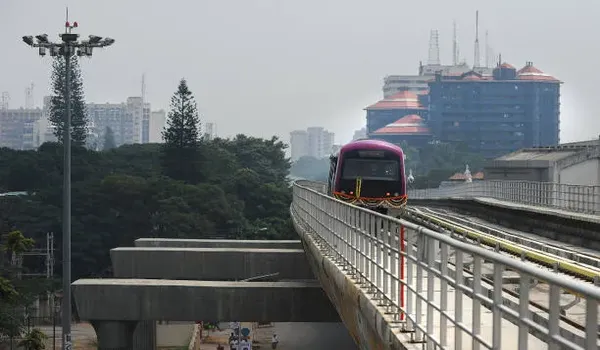
  • The gates sit just 500 meters from the Konanakunte Cross Metro Station for clean public travel.

The Cons are

  • Eco-tech parts push the pre-launch price up to a premium rate of ₹14,000 per square foot.
  • Strict waste sorting rules carry fines under housing society penalty clauses.

Long-Term Investment Value of Certified Green Properties


Certified green housing assets hold their market valuation much longer and deliver 15% higher capital gains because modern buyers target resource-secure neighborhoods. Prestige Group holds an elite CRISIL DA1+ rank. This score shows their green plans are backed by strong cash reserves. These eco-townships yield 20% higher monthly rents. Wealthy tenants prefer clean homes near tech hubs like Brigade Software Park (5 km). Backed by a ₹50,000 Crore sales goal for FY30, the builder has the cash to keep these systems running for decades.

FAQs


1. Do green building installations increase the monthly maintenance charges?

No, the on-site solar grids as well as localized water filtration loops lower the total society utility consumption, which reduces long-term maintenance costs.

2. How does waste management work inside these master-planned properties?

The township operates an organic waste converter that transforms organic wet waste into nutrient-rich compost for community gardening within 24 hours.

3. When can buyers review the official green building certificates for the new phase?

The green building certificates are issued alongside the final RERA approval registration numbers, which are expected by April 2026.

Prestige Falcon City Luxe Blog


Enquiry
Enquire Now