Home Loan Eligibility in 2026: Salaried vs Self-Employed

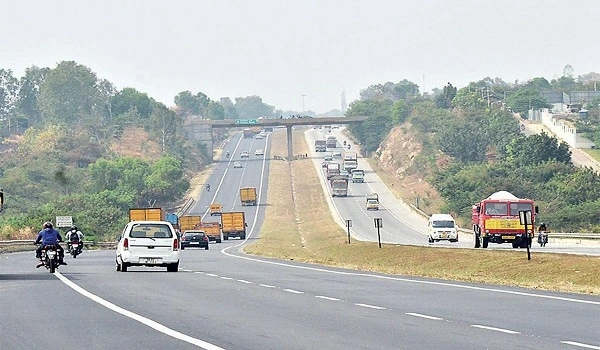
Featured Image of Home Loan Eligibility In 2026 Salaried Vs Self Employed


In 2026, home loan eligibility mandates a minimum CIBIL score of 750 for both segments. It is for capping the Fixed Obligation to Income Ratio (FOIR) at 50% for salaried individuals based on stable monthly salary credits. While capping it between 40% and 45% for self-employed individuals based on a 3-to-5-year average of audited net business profits.

Home loan eligibility in 2026 is the math banks use to decide how much money you can borrow to buy a house. Lenders check your age, your credit history, and your stable monthly earnings to approve your housing loan request. For 2026, Indian banks require a minimum CIBIL score of 750 to grant you the lowest interest rates starting from 8.40% per annum. Buyers must be at least 21 years old to apply, and the bank loan must be paid back fully before the borrower turns 65 or 70.

Housing Loan Eligibility Criteria for Salaried Borrowers


Salaried individuals receive fixed monthly income credits which makes their bank approval process fast. Lenders check if you have worked for at least 2 years in total, with 1 full year at your current company. Banks use a math formula called the Fixed Obligation to Income Ratio (FOIR) to track your existing debts. This specific rule ensures that your total monthly EMIs do not take up more than 50% of your net monthly take-home salary.
Housing Loan Eligibility Criteria for Self-Employed Borrowers


Self-employed buyers include business owners, doctors, traders, and shop operators with shifting monthly cash flows. Banks check if your business has been registered as well as active in the same industry for 3 to 5 continuous years. Lenders can calculate your final loan size by using the average net profit from the audited financial papers. Because business profits vary, banks cap the FOIR limit strictly between 40% and 45% of your clear monthly income.

Core Differences in Eligibility Norms


The table below outlines the basic criteria banks use to judge salaried workers and business owners in 2026.

Eligibility Metrics Salaried Applicants Rules Self-Employed Applicants Rules
Minimum Age Limit 21 years old 25 years old
Maximum Age Limit 65 years at loan maturity 70 years at loan maturity
Work Experience Needed 2 years in corporate sector 3 to 5 years in active business
Maximum FOIR Cap 50% of net monthly salary 40% to 45% of audited net profit
Income Type Verified Constant monthly salary credit Variable monthly business revenue

Mandatory Home Loan Documents Required in 2026


To prove your income stability, you must give specific financial papers to the bank matching your employment track.

Documents for Salaried Staff

  • Salary Slips: Original income slips for the last 3 consecutive months.
  • Form 16: Tax deduction certificates issued by your employer for the past 2 financial years.
  • Bank Records: Active salary account bank statements that covers the last 6 months.
  • Tax Papers: Income Tax Returns (ITR) filed for the last 2 consecutive years.

Documents for Self-Employed Owners

  • Business Proof: Valid GST registration certificates, shop licenses, or any of the partnership deeds.
  • Audited Accounts: Balance sheets and profit statements signed by a Chartered Accountant for 3 years.
  • Tax Papers: Income Tax Returns (ITR) filed for the last 3 consecutive assessment years.
  • Bank Records: Current account bank statements for the last 12 consecutive months.

Application in Fast-Growing Housing Markets


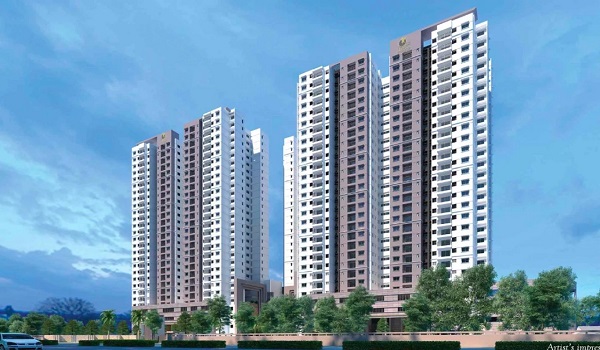
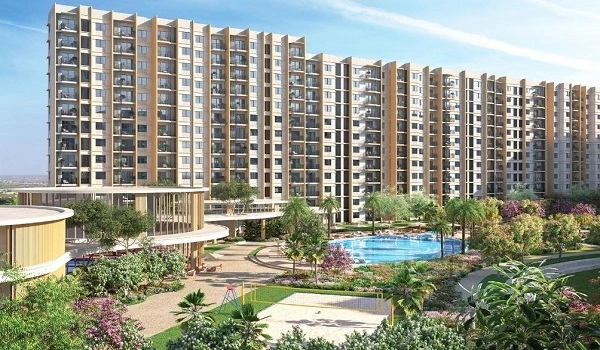
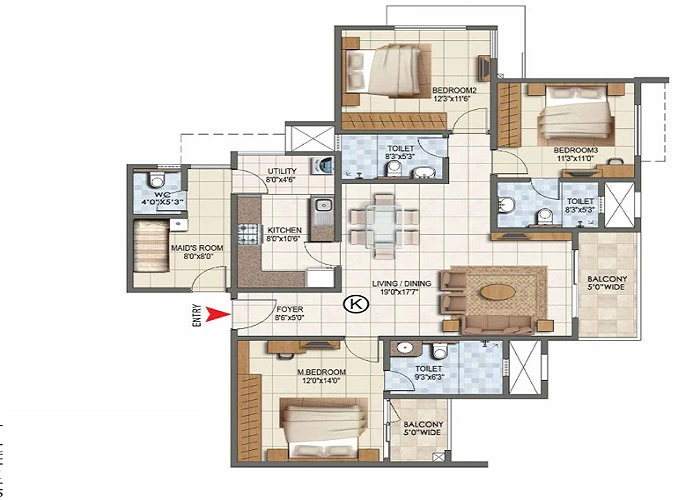
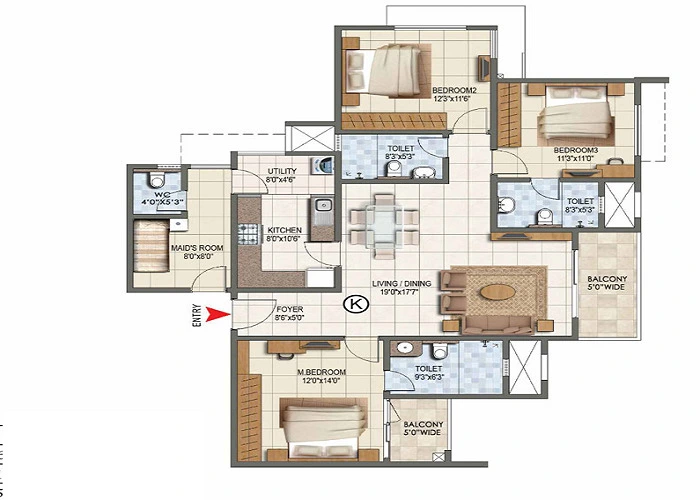
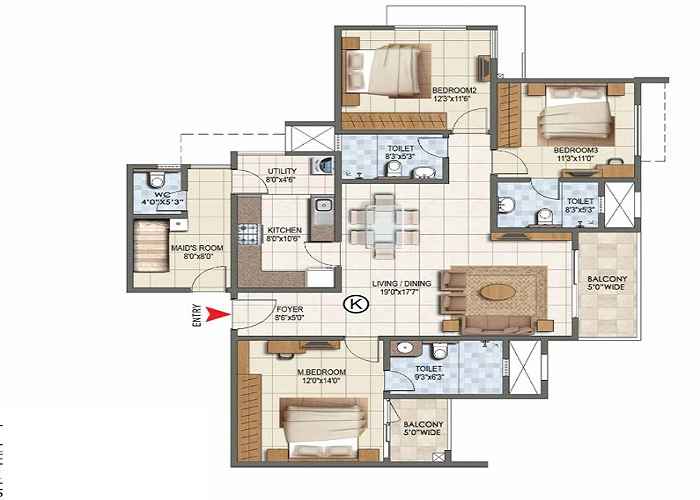
Lending math becomes crucial when you look at hot real estate zones where prices rise quickly. For instance, properties in Kanakapura Road see a 15% annual price growth. New township projects like Prestige Falcon City Luxe offer 2 BHK flats starting at ₹1.4 Crores and luxury 4 BHK apartments up to ₹3 Crores. The project covers large acres and offers 2, 3, and 4 HK apartments over 7 towers.

For purchasing a ₹1.4 Crore apartment in South Bangalore, a salaried couple needs a combined net monthly income of at least ₹2.5 Lakhs to clear the 50% FOIR bank rule. For the same apartment size, a self-employed business owner must show a proper as well as steady audited annual profit of ₹30 Lakhs to satisfy the lender's risk filters.

FAQs


1. What is the minimum credit score need for a home loan in 2026?

Indian banks ask for a minimum CIBIL score of 750 to process and get a home loan application. A credit score more than 780 helps you secure special discounts on bank processing fees and lower interest rates.

2. Can a self-employed person get a home loan without filing ITR?

No, formal banks do not approve housing loans without filed income tax papers. Self-employed individuals must provide at least 3 years of clear ITR filings to prove their legal annual income.

3. How does an active car loan affect my total home loan eligibility?

An active car loan reduces the total money you can borrow for a house. Lenders add your car EMI to your total monthly debt calculations, which lowers your remaining FOIR limit for the new housing loan.

Prestige Falcon City Luxe Blog


Enquiry
Enquire Now