Stamp Duty and Registration Charges in Karnataka 2026

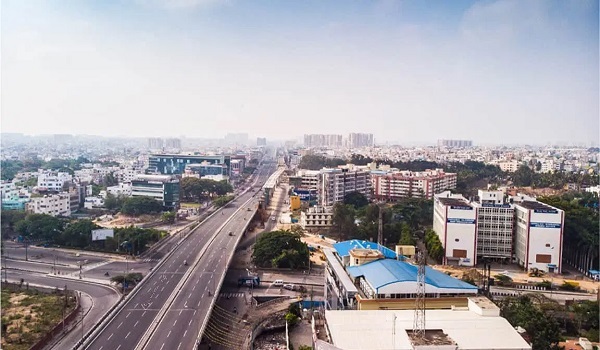
Featured Image of Stamp Duty And Registration Charges In Karnataka 2026


Stamp Duty and Registration Charges in Karnataka 2026 are state taxes made of a flat 2% registration fee and a sliding stamp duty tax. You must pay this combined bill whenever you buy a house or a piece of land. The state calculates the fee on your actual buying price or the official government rate. You always pay the tax on whichever of those two amounts is higher. Knowing these numbers helps you plan your home budget and saves you from long delays at the local office. If you do not clear these dues, your property papers will not be legally valid under Indian law.

Bangalore properties attract a 10% extra state cess and a 2% local city surcharge. These extra charges are calculated directly from your basic stamp duty tax amount. Because of these added fees, your total out-of-pocket costs will go up based on your home's price bracket. This simple guide will show you the new 2026 tax brackets, cheaper farm land rules, and easy online steps.

2026 Property Valuation Slabs and Statutory Fees in Karnataka


The state uses three simple price groups and a flat 2% registration fee. Every person pays this same 2% rate for all types of land deals. The size of your tax bill depends entirely on your property price.

Understanding the Financial Brackets

Big homes pay a 5% base tax while medium homes pay a 3% rate. The state divides the property prices into three clear tiers to fix your tax bill:

  • Homes Over 45 Lakhs: 5% basic stamp tax.
  • Homes from 21 to 45 Lakhs: 3% basic stamp tax.
  • Homes Under 20 Lakhs: 2% basic stamp tax.

Statutory Fees and Additional Surcharges

The state takes a 10% extra infrastructure tax and a 2% city surcharge. These rules change slightly if your plot sits out in a small village:

  • Registration Fee: Flat 2% of the land value.
  • Extra Infrastructure Cess: 10% of your stamp tax.
  • City Surcharge Area: 2% of your stamp tax.
  • Village Surcharge Area: 3% of your stamp tax.

Step-by-Step Property Fee Calculation for Urban Properties


A 60 Lakh city home uses the 5% base tax tier and a 2% registration fee. This happens because the total price goes over the 45 Lakh limit. You can use a simple tool to map out the small fees for your total bill.

The 60 Lakh home needs a 3 Lakh stamp tax and a 1.2 Lakh registration fee. The city math uses four quick lines to show your final price. The exact breakdown for this property value looks like this:

  • Base Stamp Tax: 3 Lakhs (5% of your home price).
  • Extra State Cess: 30 Thousand (10% of your stamp tax).
  • City Surcharge Fee: 6 Thousand (2% of your stamp tax).
  • Registration Charge: 1.2 Lakhs (2% of your home price).
  • Total Money Owed: 4.56 Lakhs (The final sum of all four lines).

Guidelines for Agricultural Land and Internal Family Deeds


Farmland sales require a 2% to 5% tax scale alongside a flat 2% registration fee. You must pay this standard percentage rate when you buy agricultural land from a regular seller. The final cost of your transaction depends directly on your family tree and the official use of the plot. Normal buyers have to pay the full percentage price, but close relatives get to save a lot of cash. This special rule cuts your expenses down significantly when you pass land down to your children or your spouse.

A family land split costs a 250 rupee stamp fee and a 50 rupee registration charge. The state cuts the high percentage taxes when you share land with your kids or spouse:

  • Farm Land Split Deeds: 250 rupees per share and 50 rupees to register.
  • City Plot Split Deeds: 1,000 rupees per share and 500 rupees to register.
  • Family Gift Papers: 5,000 rupees flat tax and 500 rupees to register.

How to Online Calculate and Pay Charges Using Kaveri 2.0


The official Kaveri website offers free cost tools and digital e-stamps from any computer. The government stopped using old physical stamp papers to block fake deals. You can do the full task online without visiting an office.

Your digital e-stamp needs a K2 online challan payment and stays valid for 90 days. Follow these simple steps on the web portal to pay your fees:

  • Log In: Go to kaveri.karnataka.gov.in and sign in.
  • Type Details: Choose your district, village, and property size.
  • Check Price: Use the tool to see your total tax bill.
  • Pay Cash: Use net banking or a card to pay the K2 challan.
  • Get Paper: Save and print your digital e-stamp certificate.

Income Tax Deductions and Official Reference Documentation


Tax law gives a 1.5 Lakh discount for property fees paid in that same year. You must keep your original tax receipts safe for your final sub-registrar meeting. This discount helps reduce your overall income tax load at the end of the year.

You can download the official 2026 property tax PDF from the government IGR web page. Reading this file helps you check your math before you sign your final property papers.

Prestige Group Prelaunch Project is Prestige Falcon City Luxe.

FAQs


1. What is the current registration fee for real estate in Karnataka?

The fee is a flat 2% of your total property value. The state raised this fee from 1% to 2% to cover paper processing.

2. Can I look up property guidance values online before registering?

Yes, you can check active land rates on the Kaveri portal under the 'Know Your Valuation' tab.

3. Are there any stamp duty discounts provided for female buyers in Bangalore?

No, Karnataka charges the same rates for men and women. There are no special discounts based on gender.

4. What happens if a property is registered below its government guidance value?

The office will stop your file under Section 45A. You must pay the missing tax money before they give you the deed.

Prestige Falcon City Luxe Blog


Enquiry
Enquire Now