Sale Deed vs Agreement to Sell: Key Differences for Buyers
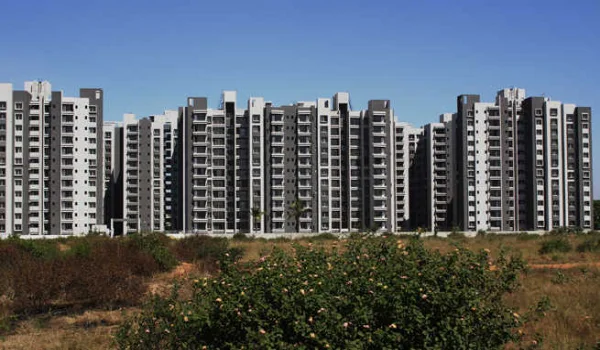
Featured Image of Sale Deed vs Agreement to Sell: Key Differences for Buyers


An agreement to sell dictates the future conditions of a property transfer, while a sale deed is the actual legal instrument that quickly transfers the absolute ownership title from the seller to the buyer. In the 2026 real estate market, mixing up of these two contracts can stall your home loan or lead to costly ownership disputes. For buyers buying inventory in high-end projects, understanding the exact legal timeline between signing the initial paperwork as well as executing the final registry is the most important step to protect your capital.

Defining the Agreement to Sell Under Indian Law


An agreement to sell is binding contract that seals the terms, payment dates, as well as penalty rules for a property deal to be completed at a future date. Under Section 54 of the Transfer of Property Act, this initial document does not grant any of quick ownership rights or any physical possession to the buyer. Instead, it acts as a planned and proper roadmap that locks the transaction terms, which helps to prevent either party from changing the price or backing out without facing any of the swift legal action.
Core Clauses Found in a Standard Agreement


A standard agreement contains three main parts - fixed payment timelines, penalty rules for build delays, as well as a promise from the seller to clear all of the past land loans. These sections give both sides stay safe throughout the construction cycle.

  • Payment Schedules: The document well specifies the final purchase price, the initial token advance paid, as well as the exact dates for milestone-based fund releases.
  • Grace Periods: The contract sets fixed grace windows as well as clear financial interest penalties for delayed payments by the buyer or build delays by the builder.
  • Clear Title Assurances: The text mandates that the seller must clear all active land mortgages and provide clean titles before closing.

Defining the Sale Deed and Transfer of Title


A sale deed is the final paper registered with the Sub-Registrar that makes you the permanent legal owner of the property. Once both parties sign this document and the government officially logs it, the buyer becomes the undisputed legal owner of the immovable asset. The execution of this deed represents the final step in a real estate transaction, moving the property from the builder's inventory straight into your personal estate.

Critical Legal Steps for Deed Registration


Registering a deed requires you to pay state stamp duty, log biometric scans at the local sub-registrar office, as well as apply for a Khata transfer to update all the tax records. Skipping any of these steps given leaves your legal title incomplete.

  • Stamp Duty Payment: The buyer must pay the full state stamp duty, which averages 5% to 7% of the total property value.
  • Sub-Registrar Logging: Both parties have to be physically present themselves at the local registration office to sign the ledger and record biometric scans.
  • Title Mutation: The registered deed acts as the primary base document needed to apply for a Khata transfer and update municipal tax records.

Financial Timelines: Prestige Falcon City Luxe Case Study


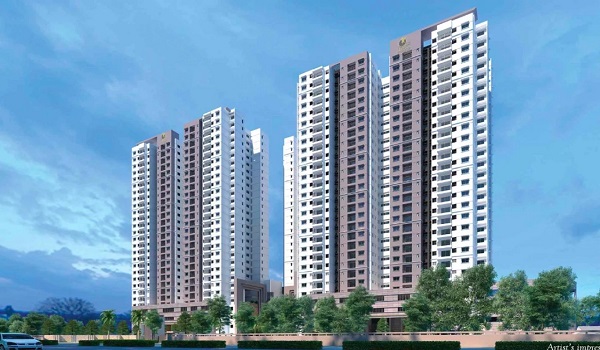
At Prestige Falcon City Luxe, you sign the agreement to sell during the pre-launch phase to secure the base rate of ₹14,000 per square foot, and you execute the sale deed when you get the keys in August 2031. This upcoming 41-acre integrated township by Prestige Group is located in Konanakunte on Kanakapura Road, South Bangalore. The landmark development features 2,520 premium apartments spread across 7 high-rise towers scaling up to G+30 floors.

The base pricing framework maps out the financial scale of these contracts across the main configurations:

Layout Configuration Super Built-Up Area Starting Base Price Indicative EOI Allocation
2 BHK Units 1,240 - 1,379 Sq. Ft. From ₹1.4 Crore onwards ₹12 Lakhs - ₹15 Lakhs
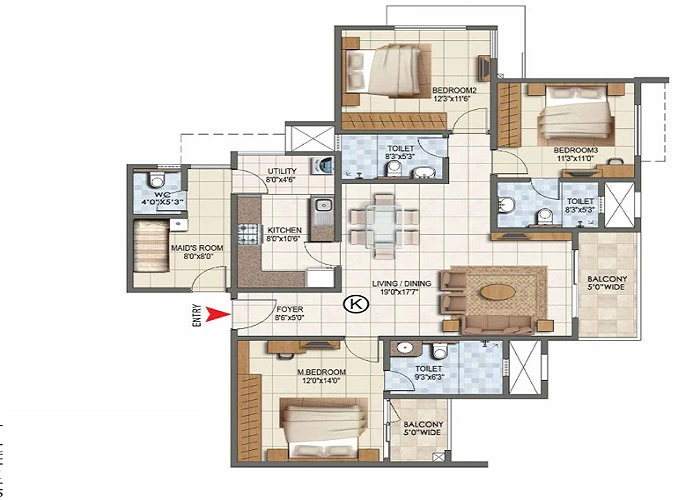
3 BHK Units 1,830 - 1,970 Sq. Ft. From ₹2.0 Crore onwards ₹15 Lakhs - ₹25 Lakhs
4 BHK Units 2,450 - 2,726 Sq. Ft. From ₹3.0 Crore onwards ₹30 Lakhs

In Prestige Falcon City Luxe the initial Expression of Interest (EOI) window opened in October 2025, ahead of the official launch on April 15, 2026. For first-time buyers, the agreement to sell protects your initial token deposits and defines the milestone-based payment path through the construction cycle. Because final physical possession is scheduled for August 2031, the official sale deed will only be registered at the end of this five-year build window, immediately after the developer secures the formal Occupancy Certificate (OC).

Pros & Cons of Each Legal Stage in the Project


The agreement stage locks in your purchase price before construction begins, whereas the sale deed stage officially seals your legal ownership but demands a large as well as immediate cash payment for all the government taxes. Every buyer must verify and analyze these phases properly to manage their cash flow.

The Agreement Stage

Pros: You freeze your rate per square foot against market inflation. Banks also use this document to approve your home loan from any bank.

Cons: You do not hold true legal title yet. You cannot rent or sell the flat without a written NOC given from the builder.

The Sale Deed Stage

Pros: The property shifts completely to your name. You can use it as clean collateral for loans or lease it out for rent also.

Cons: You must pay high amount as upfront for stamp duty, registry fees, as well as municipal tax costs all at once.

Investment Perspective - Capital Flows & Liquidity in 2026


Buying a property at the agreement stage during a pre-launch window captures the highest price growth at the time of construction, while a registered sale deed gives you instant and proper rental income as well as high asset liquidity. In the 2026 Bangalore real estate market, new investors use the agreement phase to deploy minimal capital early via low EOI tokens. This idea builds great equity as the building scales up verticals.

When properties are located near major transit routes—such as the Konanakunte Cross Metro Station located just 500 meters away—the resale velocity of the underlying asset rises significantly. For long-term buyers who intend to hold the property, the final execution of the sale deed establishes a clean legal history, which is highly valued by institutional funds and affluent tenants in Bangalore’s major tech corridors.

FAQs


1. Can an agreement to sell be canceled if the buyer fails to pay on time?

Yes, a builder can legally cancel an agreement to sell as well as keep your booking advance if you miss your scheduled payments after getting a 30-day notice.

2. Does an agreement to sell require mandatory registration in Bangalore?

Yes, Karnataka law mandates that all agreements to sell for immovable property must be registered with a nominal stamp duty to be valid in a court of law.

3. What happens if the builder refuses to execute the sale deed after project completion?

If a developer fails to execute the sale deed after securing the Occupancy Certificate, buyers can file an official non-compliance complaint with the RERA authority to force registration.

4. Can I sell my apartment to a new buyer using just an agreement to sell?

Yes, you can transfer your rights to a new buyer through a tripartite assignment agreement, provided the project is under construction and you have a written NOC from the main developer.

Prestige Falcon City Luxe Blog


Enquiry
Enquire Now