High-Rise vs Low-Rise Apartments: Which Is Right for You?
Featured Image of High-Rise vs Low-Rise Apartments: Which Is Right for You?


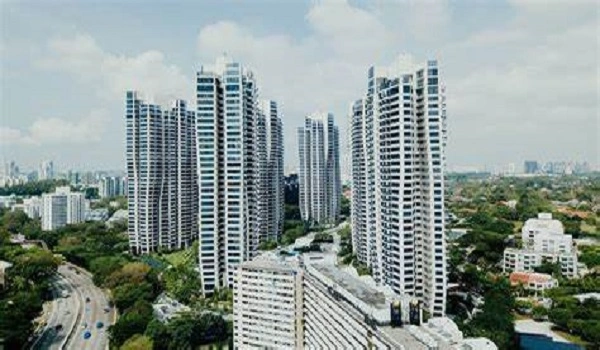
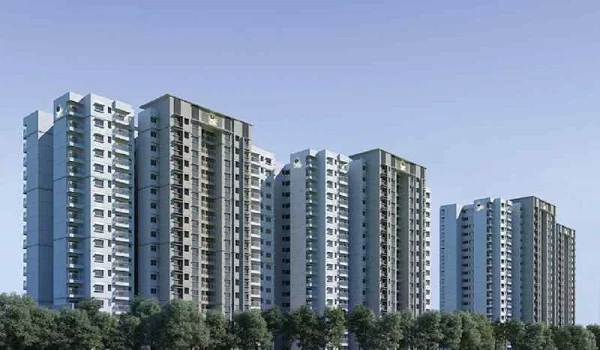
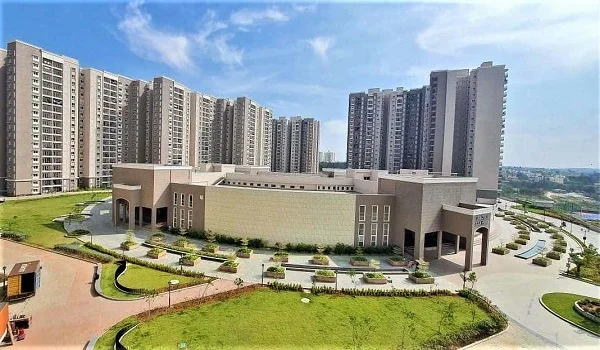
High-rises offer premium amenities, city views, and tight security, making them ideal for young professionals. Low-rises give quieter, more spacious environments with lower maintenance fees, which better suit families as well as seniors. Homebuyers in 2026 must weigh these two setups against their daily habits, personal budgets, and travel needs. Both styles have very different construction setups, price tags, as well as lifestyle benefits. These differences will also affect how much your home is worth when you decide to sell it later.

Defining Structural Differences in Modern Housing


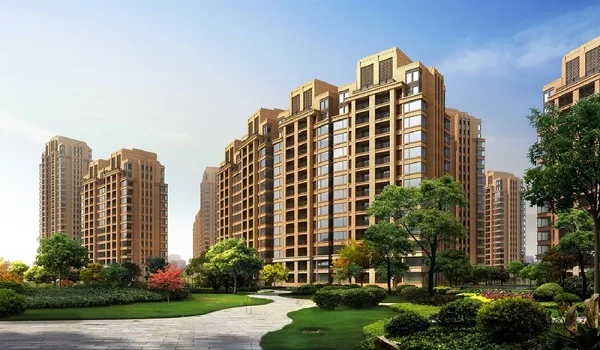
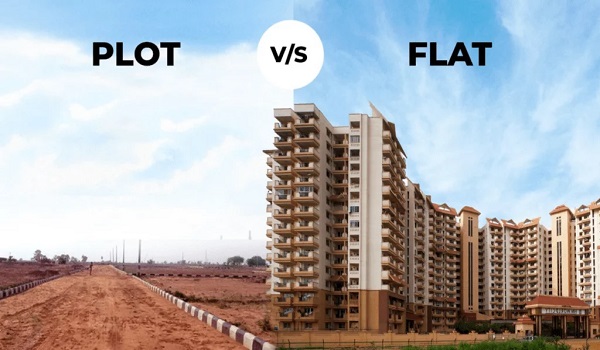
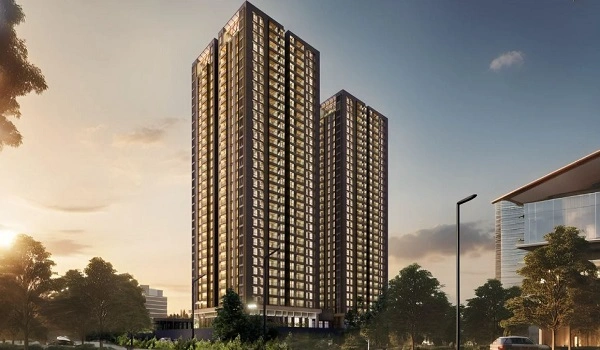
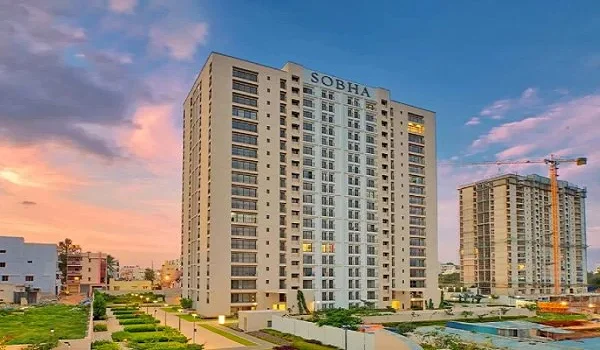
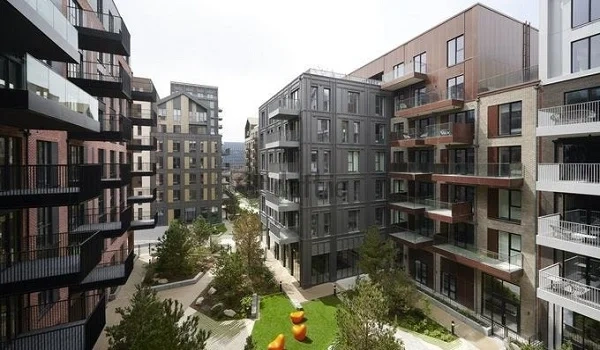
High-rise buildings are properties with seven or more floors that need lifts, while low-rise buildings have just one to four floors and usually use stairs. Cities use different zoning rules, height limits, as well as safety codes for these two types of homes. High-rise projects use deep foundations and heavy steel-reinforced concrete to stand tall. Low-rise buildings are much simpler and rely on basic brick walls or light frames to support their weight.

Main Factors to Consider at the Time of Choosing an Apartment


You need to check building safety, monthly upkeep fees, privacy levels, and how easy it is to resell the unit before you buy a home. These factors shape your daily life as well as the long-term growth of your money.

View, Ventilation, and Natural Light

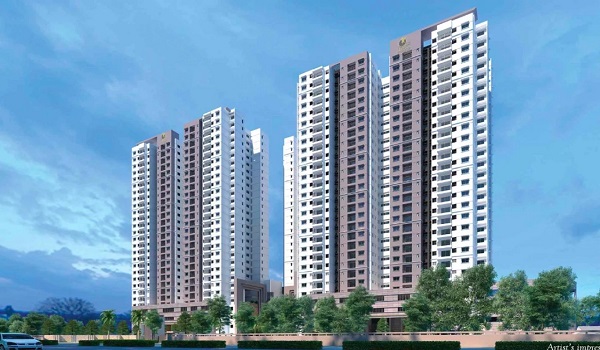
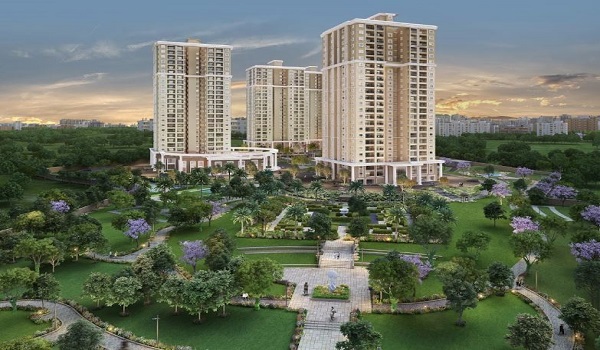
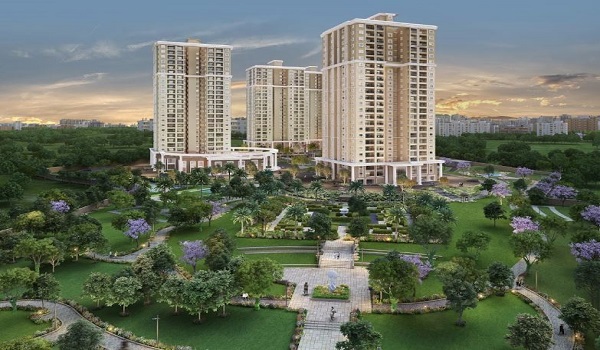
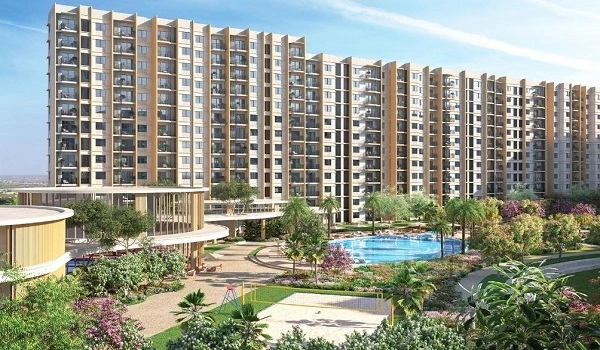
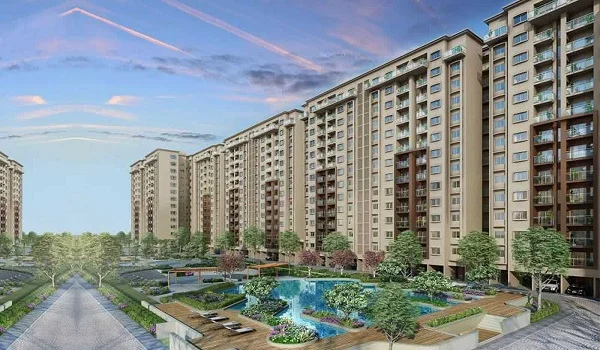
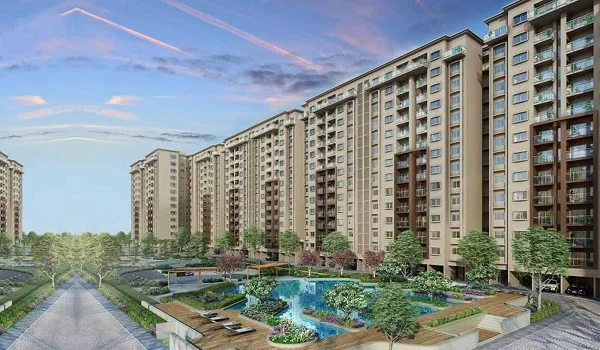
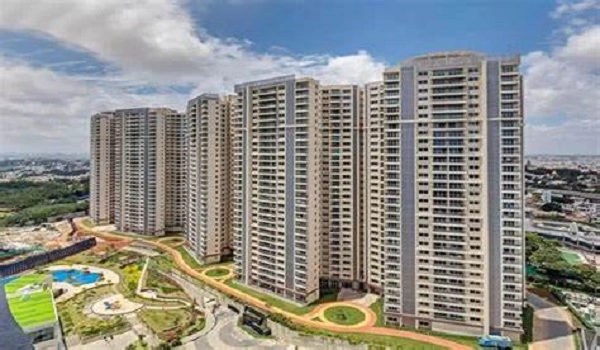
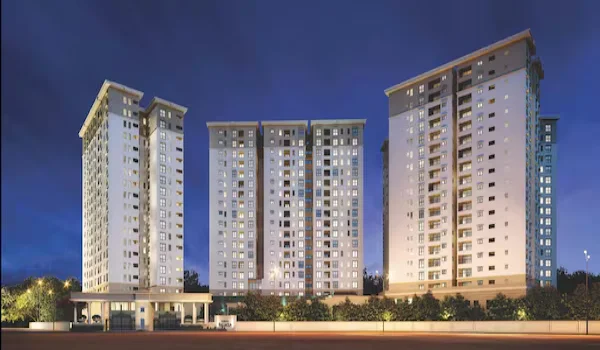
High-rise homes give you more sunlight and fresher air because they stand far above the blocked street level. Living on higher floors keeps your home away from loud traffic noise, heavy road dust, and common pests. For example, the upcoming Prestige Falcon City Luxe township on Kanakapura Road features 7 high-rise towers that soar 30 floors high. This design allows the buildings to catch maximum breeze and light while leaving 75% of the 41-acre land open for green spaces.

Access, Evacuation, and Daily Commute

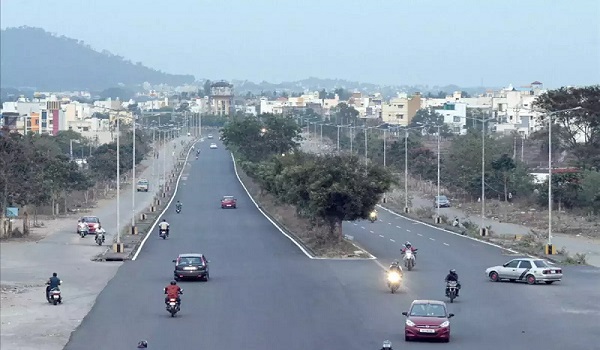
Low-rise buildings let you step out onto the street much faster and offer safer evacuation routes at the time of emergencies. You do not have to rely on power-dependent lifts or walk down dozens of flights of stairs if the electricity goes out. People who hate waiting can walk straight out of their door to local trains or buses in less than two minutes. This reduces the daily frustration of waiting for slow elevator cycles during busy morning rush hours.

Financial Comparison: Cost of Purchase and Upkeep


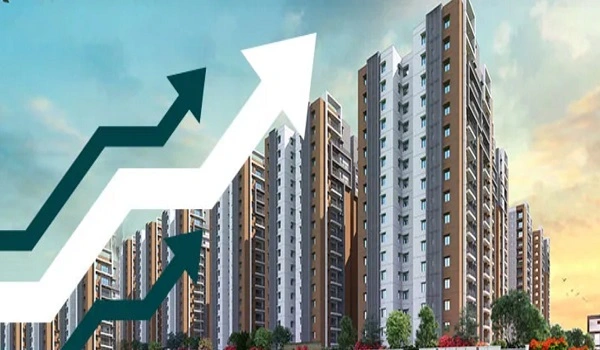
High-rise apartments cost more to buy upfront as well as have higher monthly maintenance bills due to complex systems like lifts, large backup generators, and water pumps. Builders also add a extra fee called a floor-rise premium. This charge raises the price per square foot for every floor you go up.

Below is the comparison between high-rise and low-rise apartments.

Cost and Feature Comparison High-Rise Apartments Low-Rise Apartments
Base Purchase Price Higher due to floor premiums and engineering costs. Lower due to basic construction methods.
Maintenance Expenses High recurring costs for lifts and security teams. Low monthly bills for basic upkeep.
Average Open Space Typically 70% to 80% of the total land parcel. Usually 20% to 30% of the total plot area.
Construction Timeline Averages 4 to 6 years from excavation to handover. Averages 1.5 to 3 years to finish building.
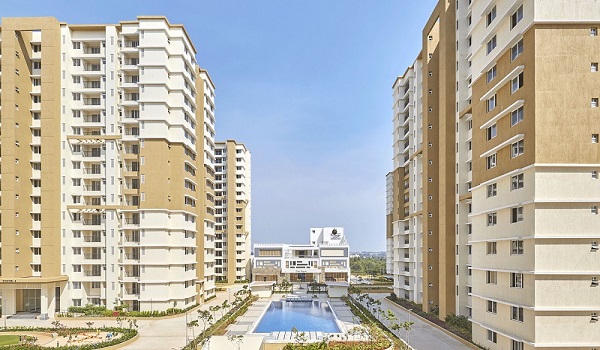
Evaluating Prestige Falcon City Luxe as a High-Rise Option


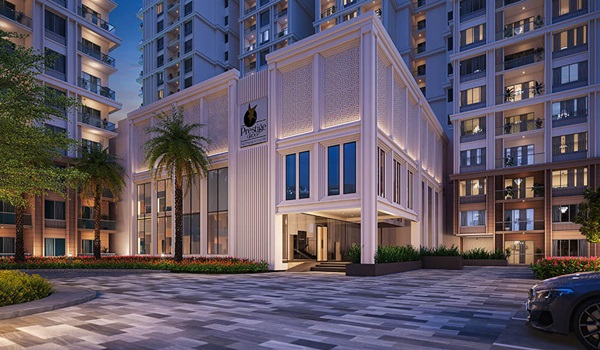
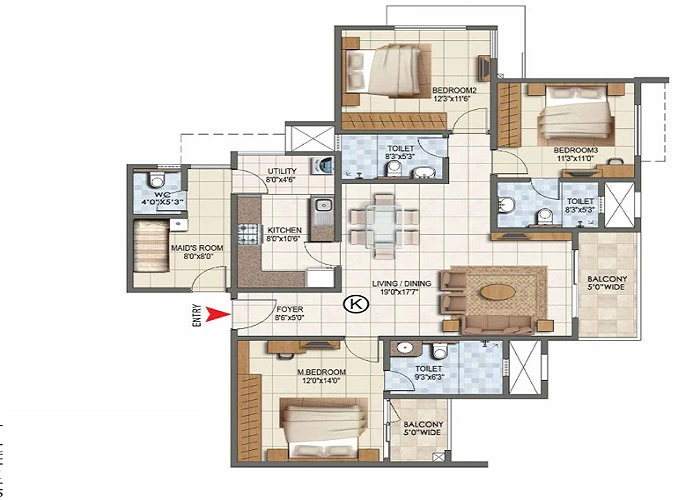
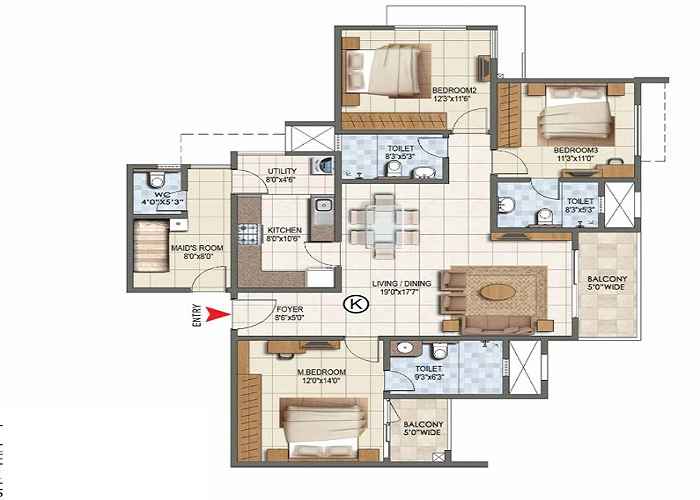
The Prestige Falcon City Luxe project is a prime example of high-rise living, offering 2,520 premium apartments starting from ₹1.4 Crore in South Bangalore. The pre-launch rate is set at ₹14,000 per square foot for 2, 3, and 4 BHK homes that range from 1,204 to 2,726 square feet.

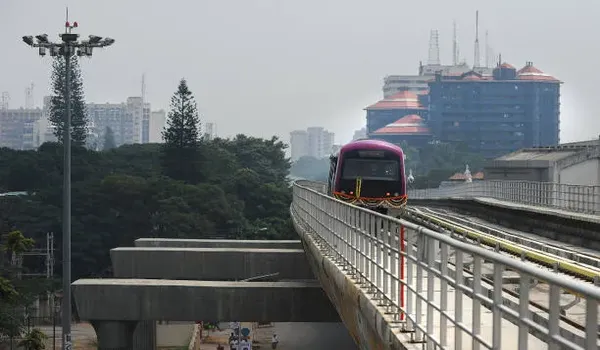
The massive 41-acre property includes the famous Forum South Bengaluru mall right inside the gates for easy shopping. The site is a quick two-minute walk from the Konanakunte Cross Metro Station, making it easy to travel to Electronic City and the NICE Road tech hubs.

Real Pros and Cons of Each Apartment Type


High-rise properties give you top-tier security gates as well as luxury amenities, while low-rise buildings offer low crowd density and faster move-in dates.

High-Rise Pros:

  • You get to use huge shared spaces like a classic clubhouse and swimming pools.
  • Professional security guards and CCTV cameras watch every single entry gate and lift lobby 24/7.
  • Top floors give you beautiful city views and keep you away from loud road noise.

High-Rise Cons:

  • Construction takes up to 5 years, and the Prestige Falcon City Luxe handover date is scheduled for August 2031.
  • Monthly maintenance bills are higher because it costs a lot to run heavy lifts and clean large parks.

Low-Rise Pros:

  • You share your floor with only a few neighbors, which gives you a quiet living space.
  • You can move into your new home much quicker because small buildings take less time to build.

Low-Rise Cons:

  • These properties lack big open gardens and sit very close to noisy public roads.
  • Units are harder to resell quickly and completely miss out on scenic skyline views.

FAQs


1. Which apartment type has a higher resale value in Bangalore?

High-rise apartments inside major townships sell for higher prices and rent out faster because tenants want the gated security and clubhouse facilities.

2. How does the building type affect my home insurance premium?

Insurance companies charge more money to cover high-rise flats because it costs much more to fix broken elevator shafts and deep concrete structures.

3. Do low-rise apartments have power backup for common areas?

Yes, modern low-rise builders install small diesel generators to keep staircase lights and water pumps running, but they rarely power your internal household appliances.

Prestige Falcon City Luxe Blog


Enquiry
Enquire Now